My mom and aunt’s former employer (they were maids before) died recently because of the dreaded big C – CANCER.
Her sister wrote an article based on their experiences on what and what not to eat when one has such disease.
The article is originally posted here.
Food and the fight against the Big C
By AMY A. UY
Before I proceed, I’d like to make it clear that I am not a nutritionist, a dietitian, or a doctor. But as it happens, cancer has struck our family twice in the last three years without warning. And as I’ve learned, when your loved one has cancer, you throw yourself into the business of coping with the pain while reading up a lot, looking for answers, talking to a lot of doctors, and trying to find a magical cure that will make this dreaded disease go away.
What I’ve also learned is that when people find out that you’re caring for a person with cancer, they’re always ready to dispense advice. Most of what they share is based on experience or what they’ve learned and heard, like a friend of a friend of a friend who got cured after taking a potion of this or that, the juice of an exotic fruit or a herbal concoction of sorts.
These are all welcome advice and comforting words. For a moment, you see a flicker of hope and just maybe, there’s a magical cure out there that worked for them and it, too, might work for your brother, sister, husband, wife, or child who is fighting to stay alive. And when your loved one’s life hangs in the balance, believe me, you will try them all.
As for us, we’ve tried all sorts of advice, from eating guyabanos, to drinking mango-carrot-apple juice, mangosteen juice and kangen or alkaline water, to eating papayas and melons and lots of broccoli, cabbage and cauliflower. The only thing we haven’t tried is, perhaps, to eat one raw onion everyday.
However, the most important thing that a person caring for a cancer patient needs to learn is how to cook especially for them. What struck me was what a doctor told my sister when she asked about her diet. He said, “Just don’t feed the cancer." This means, do not feed the cancer cells something that would allow them to multiply and take over your body. 
Depending on what type of cancer hits your family, the one in charge of the meals should work hand in hand with a licensed nutritionist and read up on what must be avoided and should be generously eaten. My husband had kidney cancer and to keep his other kidney well, a dietitian advised him to limit his intake of red meat and all proteins including poultry, eggs and even fish. He also steered clear of some protein-rich vegetables like beans, nuts and soy while also following a strict low-salt diet.
Eating out is difficult as the choices are rather limited. Going fresh and cooking your own food becomes key. And for cancer patients, survival depends on one thing: good nutrition.
You have to be sure they are getting the right nutrients and none of the harmful additives in processed food. You have to read nutritional labels thoroughly and be wary of what’s in your pack of instant soup, ready-mix sauces or even juice drinks.
While the nutritional needs of one patient are different from another and as diets of cancer patients may also be vastly dissimilar to the usual healthy diets, there are a few practical things that may be changed in the way food is prepared for a sick loved one. At the very least, these might help everyone to stay on the path of wellness.

Homemade broths are good for making vegetable soups (cauliflower, squash, potato and carrot) and even a comforting bowl of arroz caldo. But instead of throwing in an MSG-loaded chicken cube in hot water, save the wing tips, necks and backs of your whole chickens and simply boil them with some carrots, leeks and onions, a bay leaf with some herbs and whole black pepper. I made variations of pumpkin soup, carrot-potato soup, potato leek soup, creamy corn soup, cauliflower soup and a whole lot of other comforting broths which helped my sister when she had trouble swallowing solid foods. Also, chilled soups with almost no salt work best for those suffering from severe mouth sores.

A low-salt diet is recommended for most patients unless they become dehydrated due to chemotherapy and in which case they need to load up on sodium. But for those on salt restrictions, eating doesn’t mean living on bland, tasteless food. Using herbs and spices in dishes in place of a sprinkling of salt brings food to a whole new level of goodness. Unless your loved one is sensitive to spicy food, paprika may be added to dishes for added flavor.

A number of websites on special diets for cancer patients tell us that there are certain foods that slow down the growth of cancer cells. Cruciferous vegetables like broccoli, cauliflower and cabbage belong to that elite list. Unless your loved one is suffering from nausea due to therapy, incorporate them in dishes and have a meal plan with huge servings of these vegetables. Cabbage can go into pochero, nilaga, macaroni soup and chicken sopas. It is also good sauteed with just garlic and onions or flavored with a little oyster sauce. Meanwhile, you can just steam broccoli florets and toss with some minced garlic, butter and a bit of lemon juice or enjoy them in stir-fries with some cubed chicken breasts or tofu.

Sodas and juice drinks are loaded with sugar which is said to be cancer’s best friend. As a substitute, you can easily boil a few tanglad stems and add a little muscovado for sweetness. Chill the brew if you wish and put in some lemon slices for a refreshing drink your loved one can enjoy all day. Catechin-rich green tea has also been widely acknowledged as a tonic that helps prevent the development of cancer. However, soda might be suggested by the doctor when the patient suffers from nausea, vomiting or weight loss.

While it may be convenient to just buy a pack of ready-mix sauce for some fast and easy adobo, mechado, pancit palabok, or even sinigang, it may be better to start ridding your pantries of processed mixes. Learn to cook sinigang the way your grandma used to, which is to boil a few pieces of tamarind and strain out the juice, instead of using a sinigang mix. Learn to make marinara sauce and your own pasta sauces to be sure dishes are free of preservatives.

As mentioned, you don’t want to feed cancer cells and sugar is what they crave the most. A harmless-looking donut could be deadly – it’s all sugar and transfats. Know how to make sugar-free sweets with muscovado, which is unrefined sugar, or an organic natural sweetener. If you must indulge in desserts, go for those offered by vegan bakers like Meeta Nandan of Heart2Hearth who bakes non-dairy, nut-free, and eggless treats and uses organic ingredients.

Just like mom used to say, spinach, beans and greens are good for you. A diet that is mostly plant-based is recommended. Fruits and veggies are best consumed raw or juiced. However, there are also vegetables that should be avoided in certain cases. Some doctors also tell chemo patients not to consume raw food, fruits and vegetables as they are likely to attack a suppressed immune system. One must also try to buy organic pesticide-free vegetables so do find good sources of these.
Read up and learn from the experts.
It is important to know that not all cancer patients need the same diet plans and caregivers must adjust the diets when the patient or their loved one suffers from different side effects during treatment, ranging from body weakness, nausea, diarrhea, constipation, mouth sores, and loss of appetite. It can be very frustrating when the patient’s sense of taste changes due to therapy and he or she would reject the food you lovingly prepared. But take heart as your loved one is not his/her usual self and maybe in a lot of discomfort or pain.
When your loved one is undergoing treatment, always consult a licensed nutritionist to draw up a meal plan or check out websites that offer thorough information about cancer patients’ nutritional needs. One good source of information is the National Cancer Institute website, www.cancer.gov, which lists food options that address different side effects. 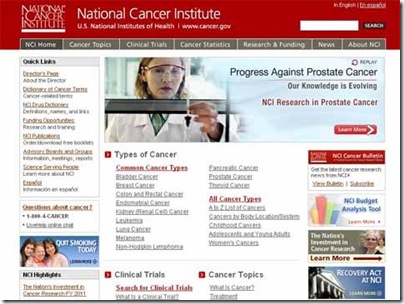
- Beans
- Berries (raspberries, strawberries and blueberries)
- Cruciferous Vegetables (Cauliflower, cabbage, broccoli and kale)
- Dark Leafy Green Vegetables (Lettuce, mustard greens, Swiss chard)
- Flaxseed
- Garlic (also onions, chives, scallions, and leeks)
- Green Tea (decaf)
- Tomatoes
- Whole grains
One of the best ways to show your loved one that you care is by preparing their food. And for those who have cancer, I do believe this is one way they would know for sure that you are there for them -- ready, willing and able to help them fight the biggest battle of their life.